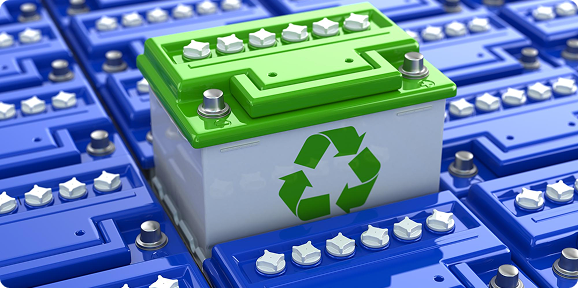
An electric vehicle battery retains significant residual energy long after the vehicle itself has reached the end of its life. It also contains valuable materials including lithium, cobalt, nickel, copper and aluminium, all of which can be recovered through appropriate recycling routes.
.png)
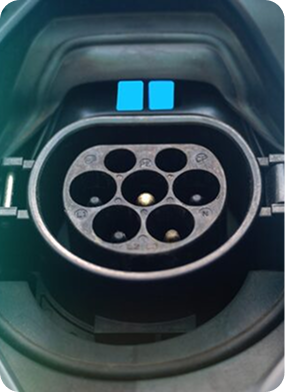
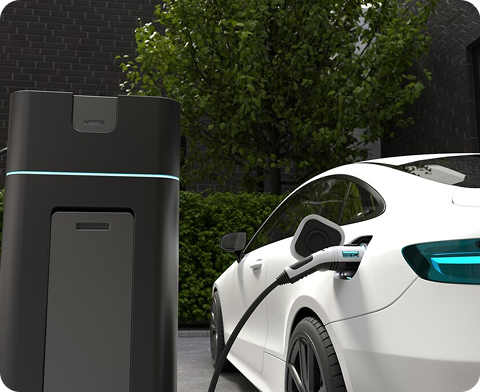
Our service supports the recycling of traction packs from electric and hybrid vehicles, individual modules and cells, and lithium-ion batteries removed during repair or recall work. We handle end-of-life packs alongside damaged, defective and recalled units requiring individual risk assessment.

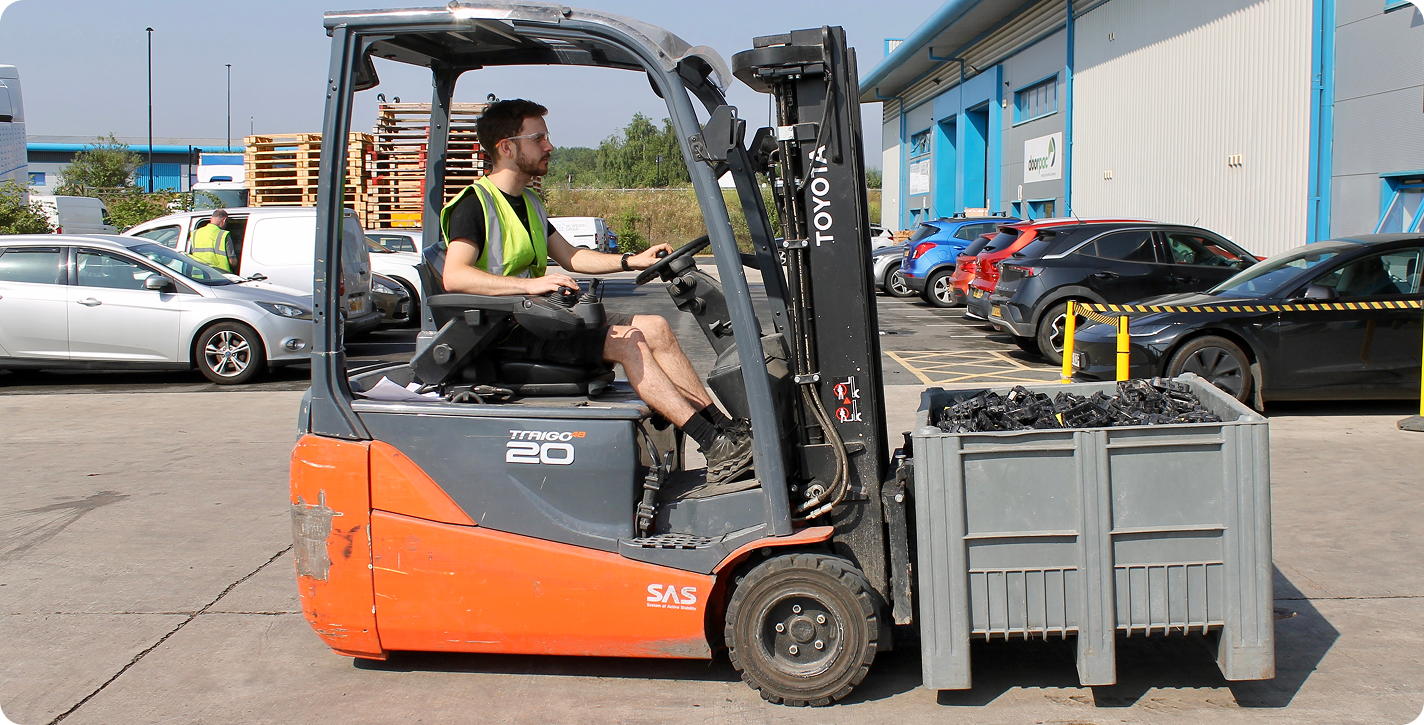
Every project is managed by experienced personnel with specialist knowledge of high voltage systems, supported by clear documentation and fully traceable processes throughout
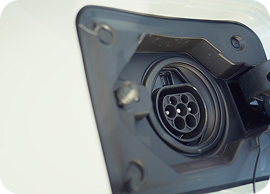
.png)
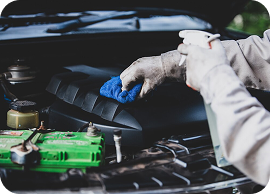
We begin by assessing the battery type, voltage, condition and location to determine the most appropriate collection and recycling solution. Damaged, defective and recalled packs are risk assessed individually and, where required, transported in UN-approved containers.
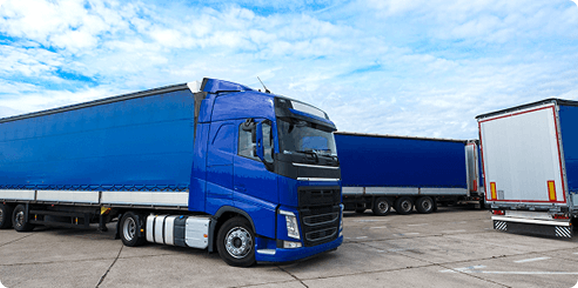
Once a plan is agreed, our team coordinates safe collection and transportation using our own ADR fleet and approved handling procedures. Batteries are then transferred to authorised treatment facilities, where packs are discharged, dismantled and processed so that lithium, cobalt, nickel, copper and aluminium can be recovered and returned to the supply chain.
Throughout the process, we maintain detailed records and reporting, providing clients with a complete audit trail from collection through to final processing.
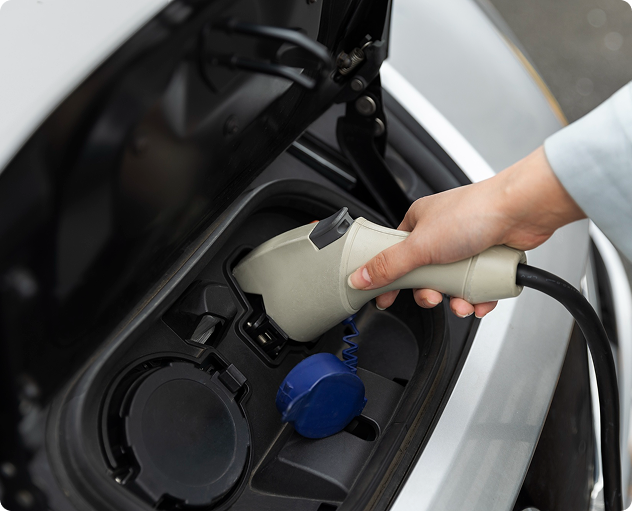
Electric vehicle batteries are classified as hazardous waste and as class 9 dangerous goods in transport, which places strict requirements on storage, movement and treatment. Our services are delivered in line with relevant waste management and transportation regulations, ensuring batteries are handled safely at every stage.
By prioritising material recovery, we help organisations reduce the environmental impact of battery production while meeting their legal and sustainability obligations.
We understand the challenges associated with managing high voltage waste streams and provide practical, compliant solutions tailored to each client's requirements. Our experience in automotive waste management, combined with secure processes and ADR transport capability, enables us to support projects of all sizes.
With more than 25 years of experience supporting the automotive sector, there is a strong likelihood we have handled your battery type before.

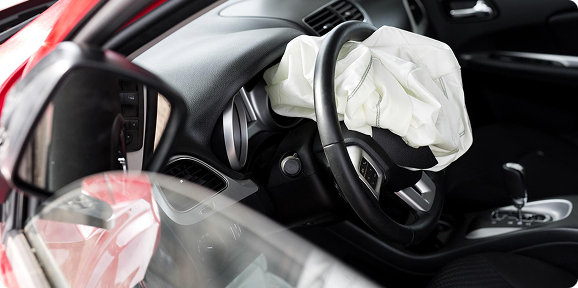
Speak with our specialist team about your airbag, battery, pyrotechnic or hazardous automotive waste requirements.
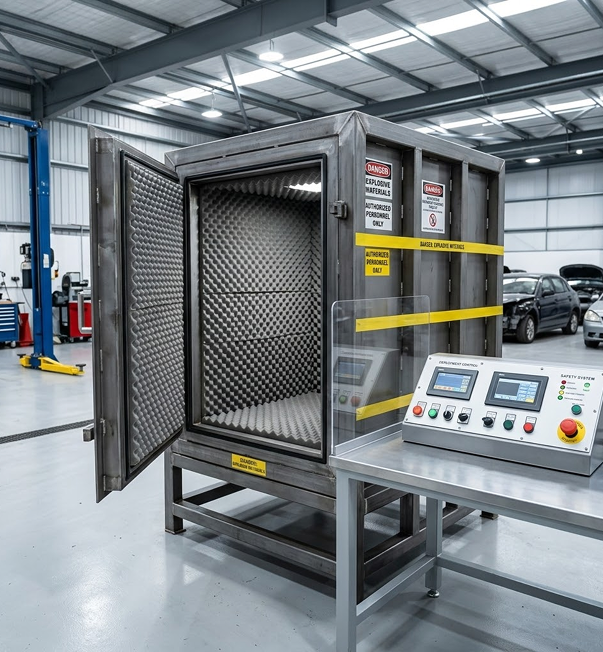

Whether you're disposing of a handful of airbags or managing a complex battery recycling project, we'll find the safest and most compliant solution. Get in touch.